Roof Inspections
Before a repair, a replacement, or a call to your insurance company, there’s a simpler first step: find out what’s actually happening on your roof. A professional inspection is how we do that — inspect, document, explain, and recommend the next step, in that order.
When Should You Get a Roof Inspection?
- You suspect a leak, or see water stains on a ceiling or wall
- You’ve noticed missing, lifted, or visibly damaged shingles
- Your area has had a significant wind or hail event
- Your roof is aging and you’re not sure how much life is left in it
- You’re buying or selling a property and want to know the roof’s real condition
- You’re trying to decide between a repair and a full replacement
- You have unexplained moisture or musty smells in the attic
What We Look At
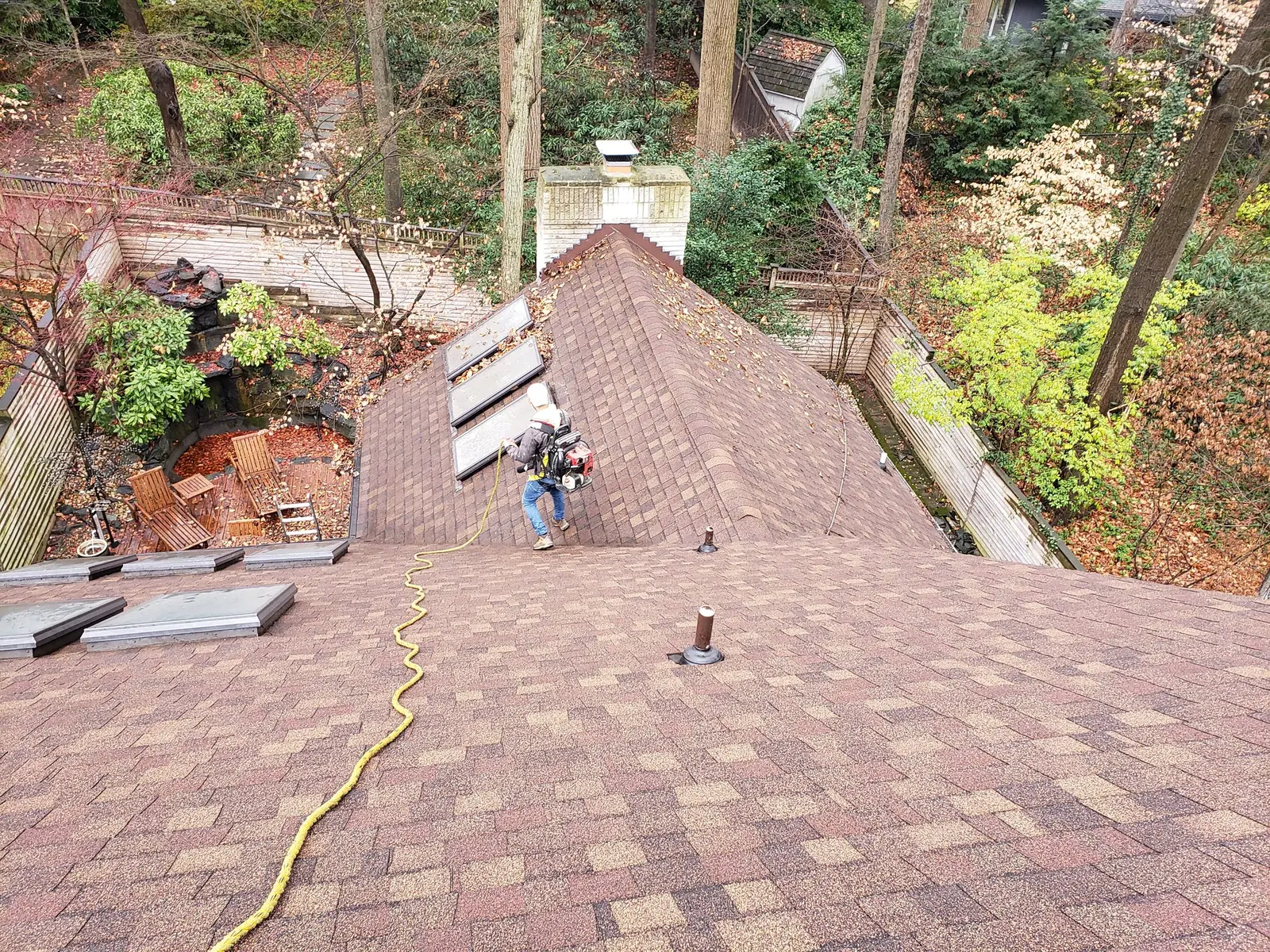
A roof inspection is more than a glance at the shingles.
- Shingles and the roof surface generally
- Flashing around chimneys, walls and roof edges
- Roof penetrations and vents
- Valleys, where two roof planes meet
- Visible decking or sheathing concerns, where observable
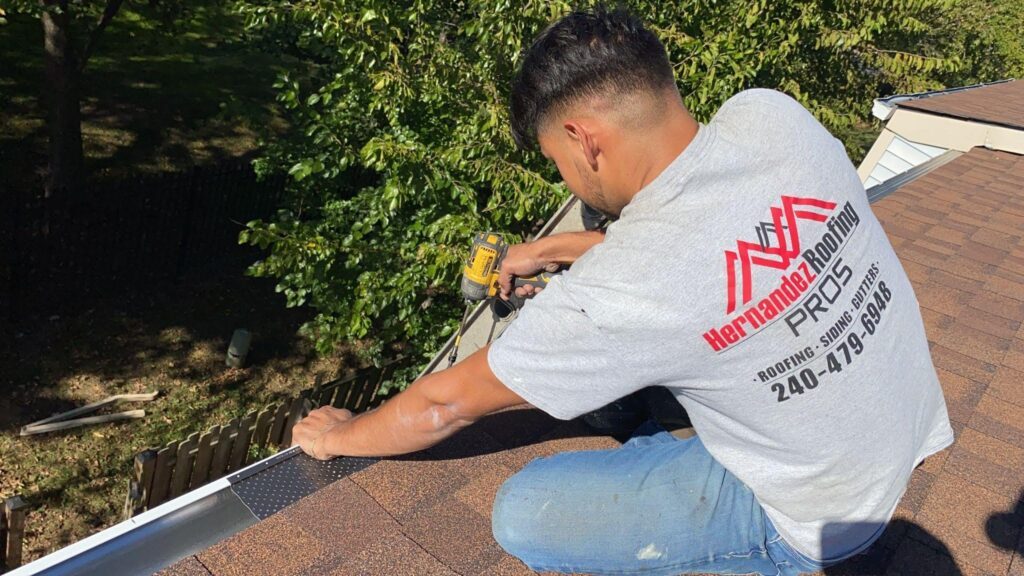
- How gutters and drainage relate to the roof edge
- Signs of water intrusion, current or past
- Visible storm-related damage
- General wear and deterioration for the roof’s age
What Happens After the Inspection?
We’ll tell you plainly what the inspection actually found, and what it points to. Depending on what we see, that might be:
- No immediate roofing work needed
- A maintenance recommendation
- A roof repair for a specific, isolated issue
- A closer look at something we want more information on before recommending anything
- A roof replacement, if the roof has reached the end of its practical service life
- Documentation you can use if the damage appears storm-related — see our storm damage & insurance page for how that process works
If the inspection turns up something affecting your gutters or siding, we’ll flag that too — they’re part of the same exterior system as your roof.
After Your Inspection
If an estimate follows, you can review it, approve it and sign digitally — including from your phone — and stay updated as the project moves forward, through our customer experience.
Ready to Protect Your Home?
Get a Fast, Free Estimate Today
No pressure, no obligation — just honest advice from a licensed, insured, family-owned local crew.
Questions? We’ve Got Answers
Roof Inspections — Frequently Asked Questions
When should I have my roof inspected?
Common triggers are a suspected leak, visible shingle damage, a recent wind or hail event, an aging roof, or simply wanting to know its condition before buying or selling a property. There’s no wrong time to ask for one.
Should I inspect my roof after a storm?
Yes. Some storm damage isn’t visible from the ground, so a professional inspection is the reliable way to know for sure. See our storm damage & insurance page for what that process looks like.
Does a roof inspection mean I need a replacement?
No. An inspection is a diagnostic step, not a sales pitch — many inspections turn up nothing urgent, or a small repair. We’ll tell you what the roof actually needs.
Can a roof leak be repaired without replacing the roof?
Often, yes — many leaks come from an isolated issue like damaged flashing or a section of shingles, which can be repaired on their own. Whether that’s the right call depends on what the inspection finds.
What happens if storm damage is found?
We document what we find, which you can use for your own records or share with your insurance company. Our storm damage & insurance page walks through the roofing side of that process in more detail.
How long does a roof inspection take?
Most inspections are straightforward and don’t take long — the exact time depends on the size and complexity of the roof.